20 March, 2026 DREMC-served schools receive $27,500 in TVA STEM grants
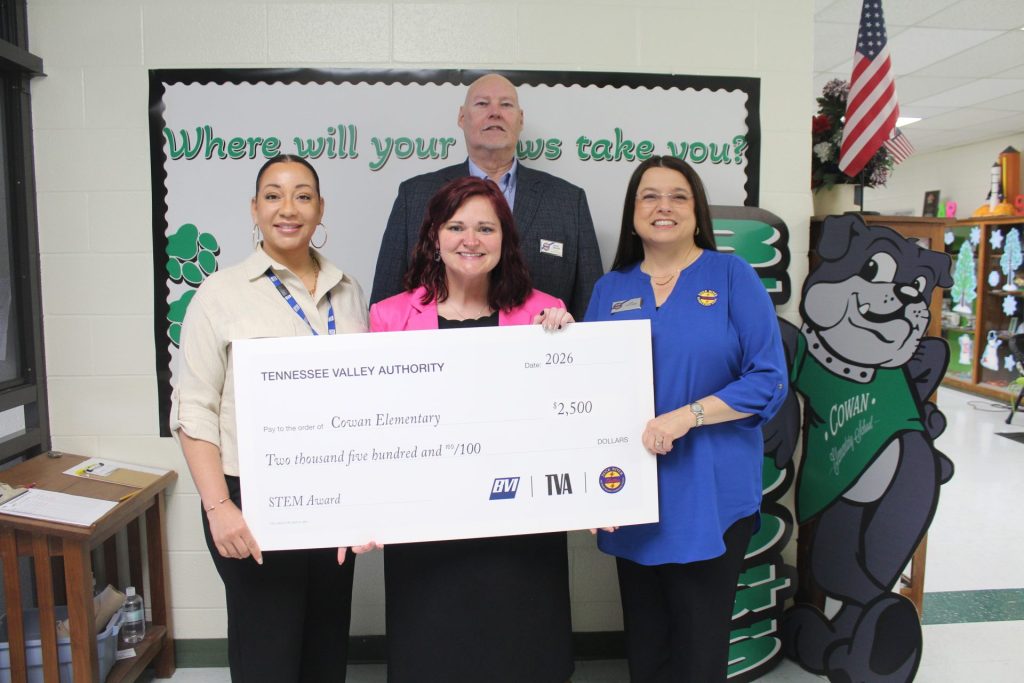
Cowan Elementary School
Franklin County
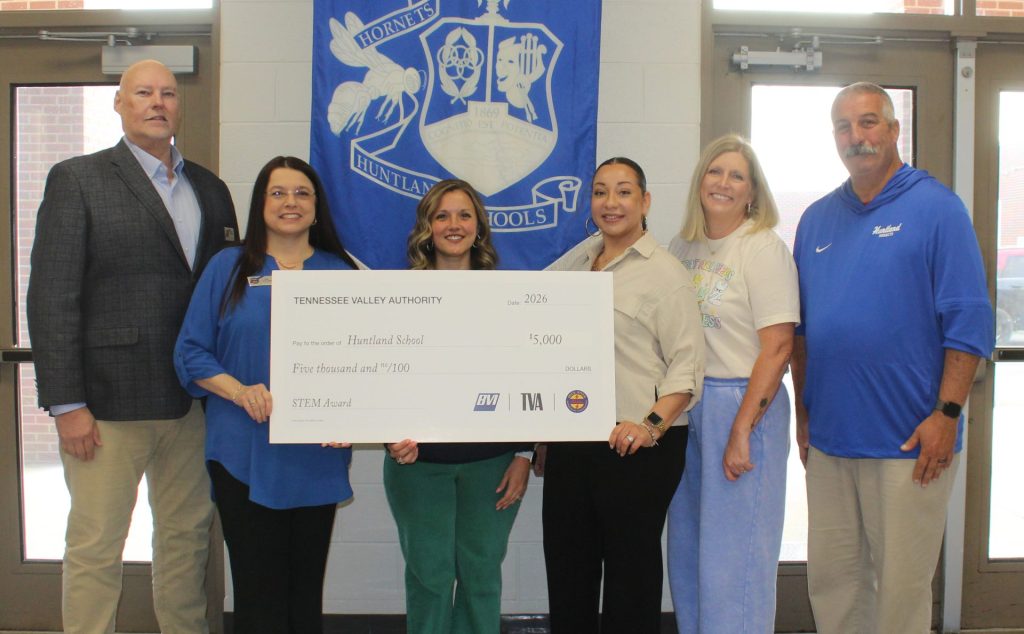
Huntland School
Franklin County
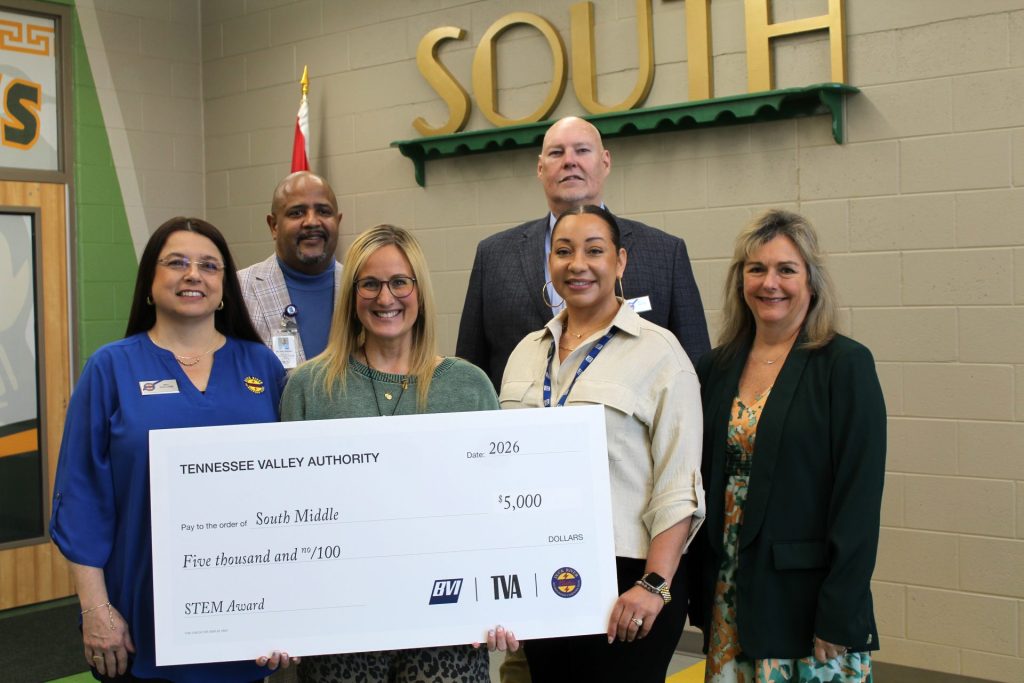
South Middle School
Franklin County
Six schools served by Duck River Electric Membership Corporation (DREMC) have been awarded a combined $27,500 in STEM grants to strengthen hands‑on learning and expand science, technology, engineering, and mathematics opportunities for students across Franklin and Coffee counties.
The grant recipients include Cowan Elementary, Huntland School, South Middle School, and Decherd Elementary in Franklin County, along with North Coffee Elementary and Hickerson Elementary in Coffee County.
At Huntland School, librarian Leslie Jones shared that their grant will support the expansion of the school’s K–5 makerspace program. “This funding will support ongoing, sustainable STEM projects designed to integrate seamlessly with the library curriculum, allowing students to transform stories and research into tangible prototypes,” Jones said. “By aligning creative building challenges and technical exploration with library lessons, we aim to deepen student engagement and foster critical thinking skills in all elementary grade levels.”
Across all six schools, students are engaging in hands‑on STEM activities that explore renewable energy, hydroponic gardening, and other real‑world applications of science and technology. These experiences empower students to turn curiosity into capability, building confidence as they learn how everyday technologies work.
“STEM learning sparks confidence, creativity, and encourages students to discover solutions as they learn more about the technology behind the gadgets they use every day,” said DREMC President and CEO James Wright. “We congratulate these schools for inspiring students through STEM education and for receiving the grants to elevate their classroom learning opportunities.”
The grants are funded through the Tennessee Valley Authority (TVA) and its retiree organization, Bicentennial Volunteers, Inc., which supports teachers across the region in providing hands‑on STEM instruction. Since 2018, TVA’s STEM grant program has invested nearly $9 million, reaching more than 845,000 students.
“Thanks to the success of STEM education, students can build a better future for us all,” Wright added.
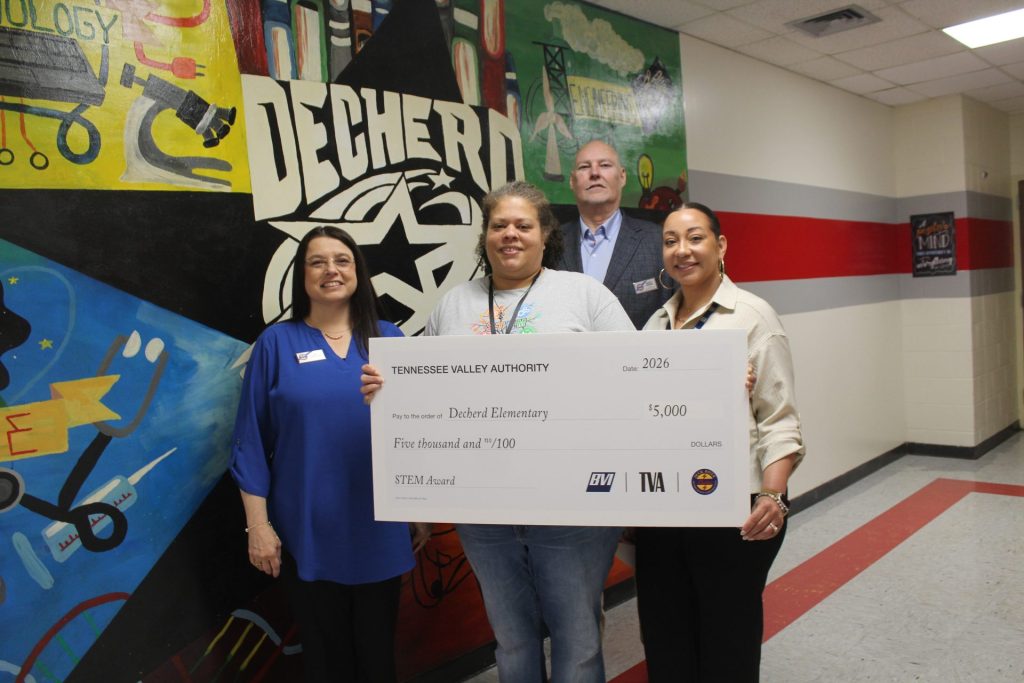
Decherd Elementary School
Franklin County
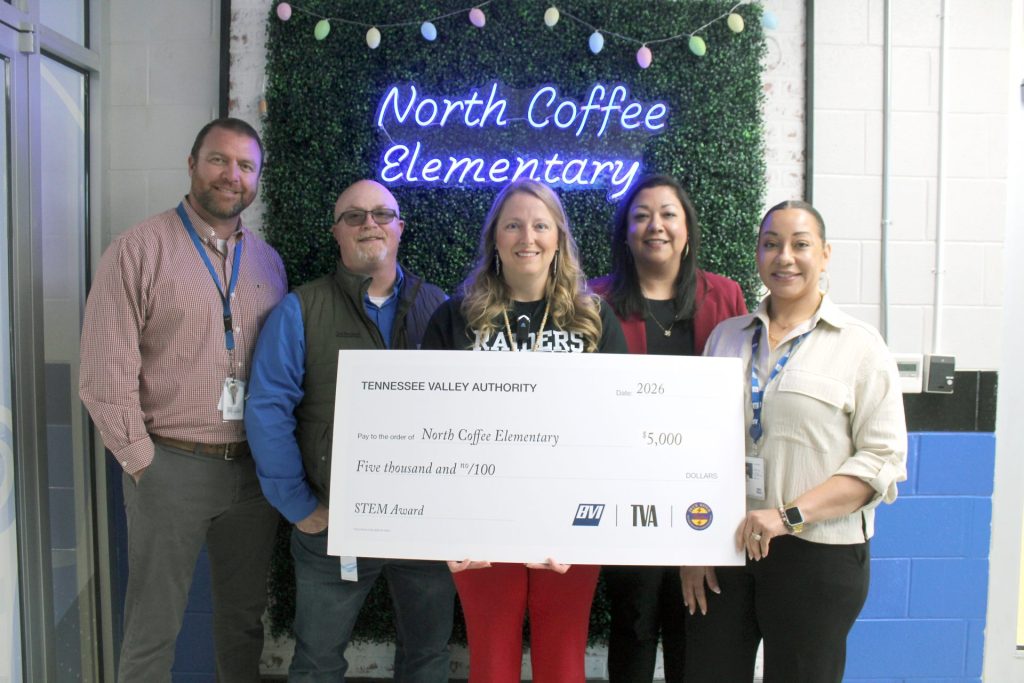
North Coffee Elementary School
Coffee County
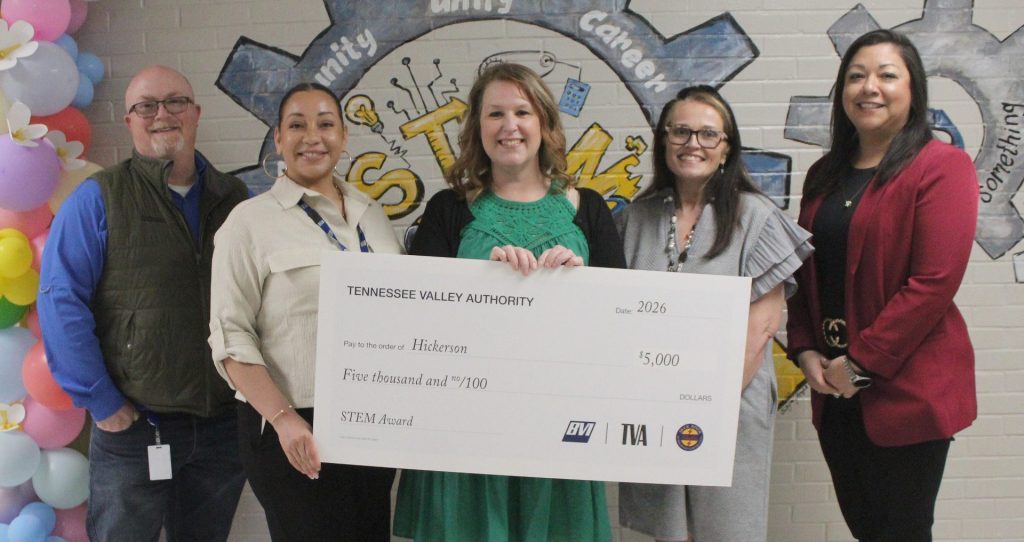
Hickerson Elementary School
Coffee County